

Midwife Providing Essential Newborn Care
Every mother deserves to experience pregnancy and childbirth in a safe environment with access to quality healthcare services, and every newborn has the right to begin life with an equal opportunity to survive, grow, and thrive. Yet preventable maternal, newborn, and child mortality remains one of the major public health challenges in Afghanistan, affecting thousands of families every year.
According to UNICEF, Afghanistan continues to face significant challenges in maternal, newborn, and child health.” The country has one of the highest maternal mortality rates in the world, with an estimated 638 maternal deaths per 100,000 live births. Adolescents aged 10–19 years, who constitute approximately 40 percent of the population, continue to face serious barriers in accessing reproductive health information and services. UNICEF further notes that despite considerable progress in recent years, child survival remains a critical concern. In 2018, 4 out of every 10 Afghan children died before reaching their first birthday”. These realities underscore the urgent need for greater investment in quality healthcare services, life-saving maternal and newborn care, and equitable access to essential health services.
A range of factors—including socio-cultural constraints, poverty and economic vulnerability, low levels of literacy and health awareness, limited access to specialized healthcare services in some areas, and geographical barriers—continue to hinder women’s and children’s access to essential healthcare. These challenges often lead to delays in receiving critical care during pregnancy, childbirth, and the postnatal period, thereby increasing the risk of severe complications for both mothers and newborns.
MHCO is committed to reducing preventable maternal, newborn, and child mortality and improving family health outcomes through the provision of comprehensive, accessible, and high-quality healthcare services. To this end, the organization delivers Health services across Nangarhar Province through a network of 132 health facilities operating in 22 districts.

Nangarhar Province Map with health Facilities and population
This network comprises 6 District Hospitals (DHs), 4 Comprehensive Health Centers Plus (CHC+), 18 Comprehensive Health Centers (CHCs), 70 Basic Health Centers (BHCs), 32 Sub-Health Centers (SHCs), one Omari Camp/ MHT Health Center, and one Prison Health Center. Together, these facilities work to ensure equitable and continuous access to essential healthcare services for communities throughout the province.
Services are delivered by multidisciplinary teams consisting of experienced obstetricians and gynecologists, trained midwives, female outpatient physicians, and other qualified healthcare professionals. MHCO-supported health facilities are also equipped with essential medical equipment, medicines, technical guidelines, reporting systems, and other resources required to provide quality healthcare services.

To ensure continuity of care throughout pregnancy, childbirth, and the postnatal period, MHCO provides a comprehensive package of services, including:
• Antenatal Care (ANC) for early identification of risk factors and promotion of maternal and fetal health;
• Safe delivery services provided by skilled health personnel in adequately equipped facilities;
• Emergency obstetric and neonatal care and management of pregnancy- and childbirth-related complications;
• Support for safe Caesarean sections and other life-saving interventions;
• Newborn resuscitation and provision of essential and specialized newborn care;
• Postnatal care services for mothers and newborns during the critical days and weeks following childbirth;
• Referral and emergency transportation services through an ambulance system;
• Family planning counseling and services to support maternal health and family well-being;
• Continuous provision of essential medicines, equipment, and supplies for maternal and child health services;
• Capacity building of healthcare workers through training, supervision, and professional development programs.

Within MHCO-supported facilities, specialized maternal and newborn health services are provided through fully equipped delivery rooms, operating theaters, neonatal resuscitation and newborn care units, antenatal and postnatal care rooms, emergency care rooms, post-operative care units, and family planning counseling centers. All departments are furnished with the necessary equipment, essential medicines, qualified personnel, and standardized clinical guidelines to ensure the delivery of safe, effective, and high-quality healthcare services.
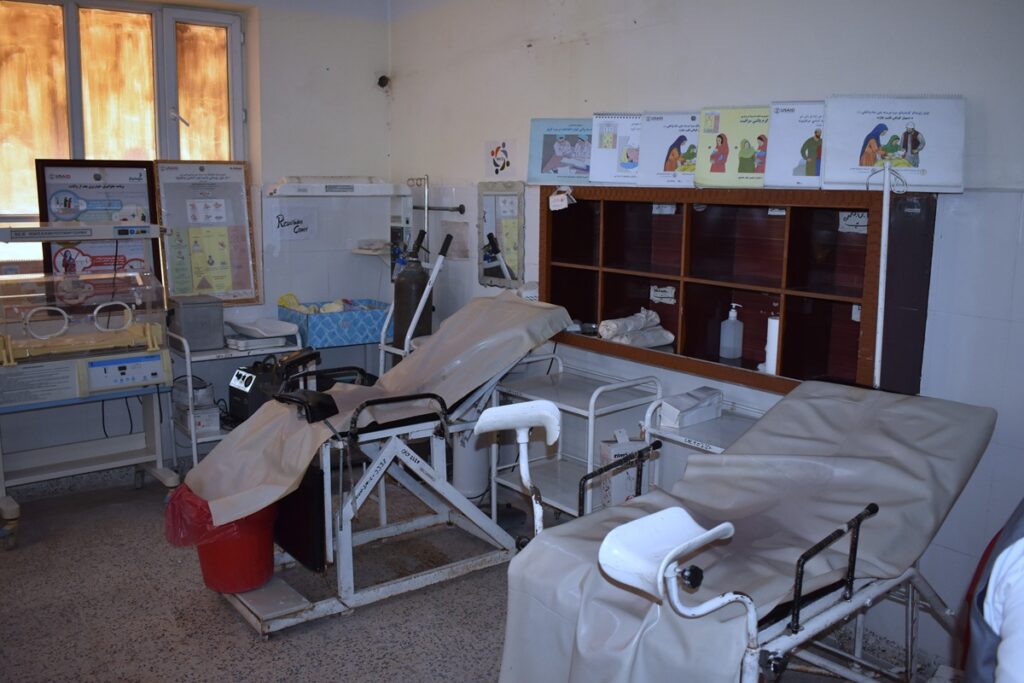
As a result of these efforts, thousands of women, newborns, and children across Nangarhar Province have gained access to life-saving and quality healthcare services. From 1 Feb 2026 to Now, MHCO has supported 22111 safe deliveries, facilitated the birth of 22400 healthy live newborns, managed 1650 obstetric complications, supported 290 successful Caesarean sections, provided 115167 antenatal care services, delivered 76704 postnatal care services, and offered 25941 family planning consultations and services.
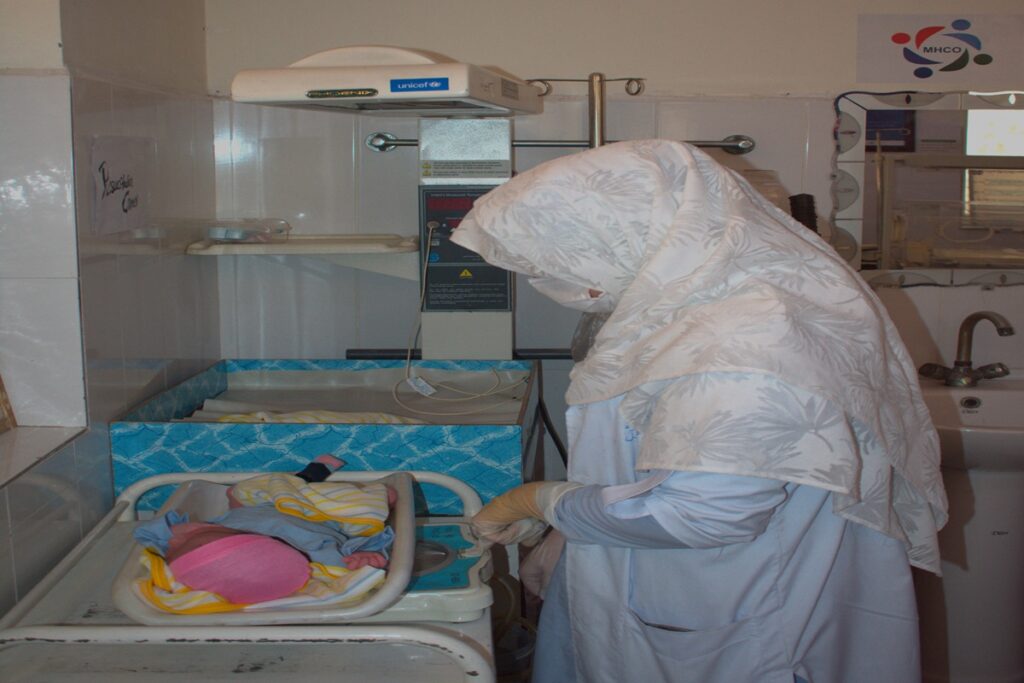
MHCO firmly believes that no mother should lose her life due to a lack of healthcare services, and no newborn should be deprived of the opportunity for a healthy start in life. Therefore, in collaboration with local communities and health sector partners, the organization remains committed to expanding access to healthcare, improving service quality, and safeguarding the health and well-being of mothers, newborns, and children across Afghanistan.